Hi, I’m Helen. I spent more than ten years trying to get a diagnosis before I was told in 2020 that I have panhypopituitarism, and I also live with dysautonomia and chronic fatigue. I’m a mother and partner who still has to feed a family on days my body won’t cooperate, so everything I share here is something I’ve worked out and use myself.
If you’ve spent any time in chronic illness spaces, you’ve probably seen people call themselves spoonies or say they’ve run out of spoons, and if you haven’t, it can sound like a strange thing to say. I use the word all the time on this blog, so I wanted to write down what it means and why it changed the way I think about my own days.
Where the spoon theory comes from
The spoon theory was written by Christine Miserandino, who lives with lupus. In 2003 she was sitting in a diner with a friend who asked her what being sick actually felt like, and she gathered up spoons from the nearby tables and handed them over as a way of showing her. Each spoon stood for a unit of energy, and as her friend talked through an ordinary day, Christine took a spoon away for every task, from getting out of bed to showering and getting dressed. Her friend ran out of spoons long before the day was over, which was exactly the point.
Christine later wrote the story up as an essay on her website, But You Don’t Look Sick, and the idea spread through the chronic illness community from there.
How it works
The idea is that a healthy person starts each day with what feels like an unlimited supply of energy, so they rarely have to think about what anything costs. Someone with a chronic illness wakes up with a fixed number of spoons, often fewer than the day needs, and everything they do uses some of them. When the spoons are gone there isn’t a reserve to dip into, and pushing past that point doesn’t create more energy, it only borrows against tomorrow.
The number isn’t the same every day either. I can go to bed having done everything right and still wake up with a handful of spoons, and there’s very little I can do to change that once the day has started.
What things cost me
What surprised the people around me most is how much the small things cost. A shower can take far more out of me than anyone would expect, because standing, washing my hair and drying off afterwards is physical work when my body is already running low. Getting dressed, making a cup of tea, answering a message that needs a proper reply and sitting in a waiting room all come out of the same supply, and most of them aren’t things I can skip.
Decisions cost spoons too, which took me a long time to understand. Working out what to cook, what to wear or what to do first uses energy in the same way that physical tasks do, and it’s the reason I eat the same breakfast most days, which I wrote about in my five-minute meals post.
Borrowing spoons from tomorrow
Sometimes something matters enough that I go past my spoons anyway, whether it’s one of the kids’ school events, a family day or a week when the work simply has to get done. I think of that as borrowing from tomorrow, and the loan always gets called in, usually as a day or two with even fewer spoons than usual or as a flare. Knowing that doesn’t mean I never do it, but it does mean I choose to do it with my eyes open and plan a quieter day afterwards.
Why the idea helped me
Before I had this language I put my bad days down to laziness or poor planning, and I spent a lot of energy feeling guilty about everything I hadn’t done. The spoon theory helped me see that I wasn’t failing at an ordinary day, I was trying to fit an ordinary day into a much smaller budget.
It also gave me words for my family. Saying “I’ve only got a few spoons left today” is much easier for me to say and for them to hear than a long explanation of how tired I am and why, and it means we can work out together what still needs to happen and what can wait.
What it means to be a spoonie
People living with chronic illness, chronic pain and chronic fatigue started calling themselves spoonies because of Christine’s story, and the word has become a kind of shorthand for recognising each other. When someone tells me they’re a spoonie, I know they understand what it’s like to count the cost of a shower, and that community is who I write this blog for.
How I use spoons in my own planning
I sort my days into low, medium and high spoon days, and I plan my cooking and housework around the kind of day I’m likely to have rather than the kind I wish I had. I do the batch cooking and the thinking on my better days, so that my low spoon days only ask me to heat something up or put something together. I wrote about how I do this in my pacing guide, and about what changes on the days that go beyond low spoons in my flare day post.
I’m sharing what works for me, not medical advice. Please read the Disclaimer and talk to your own healthcare team about what suits you.
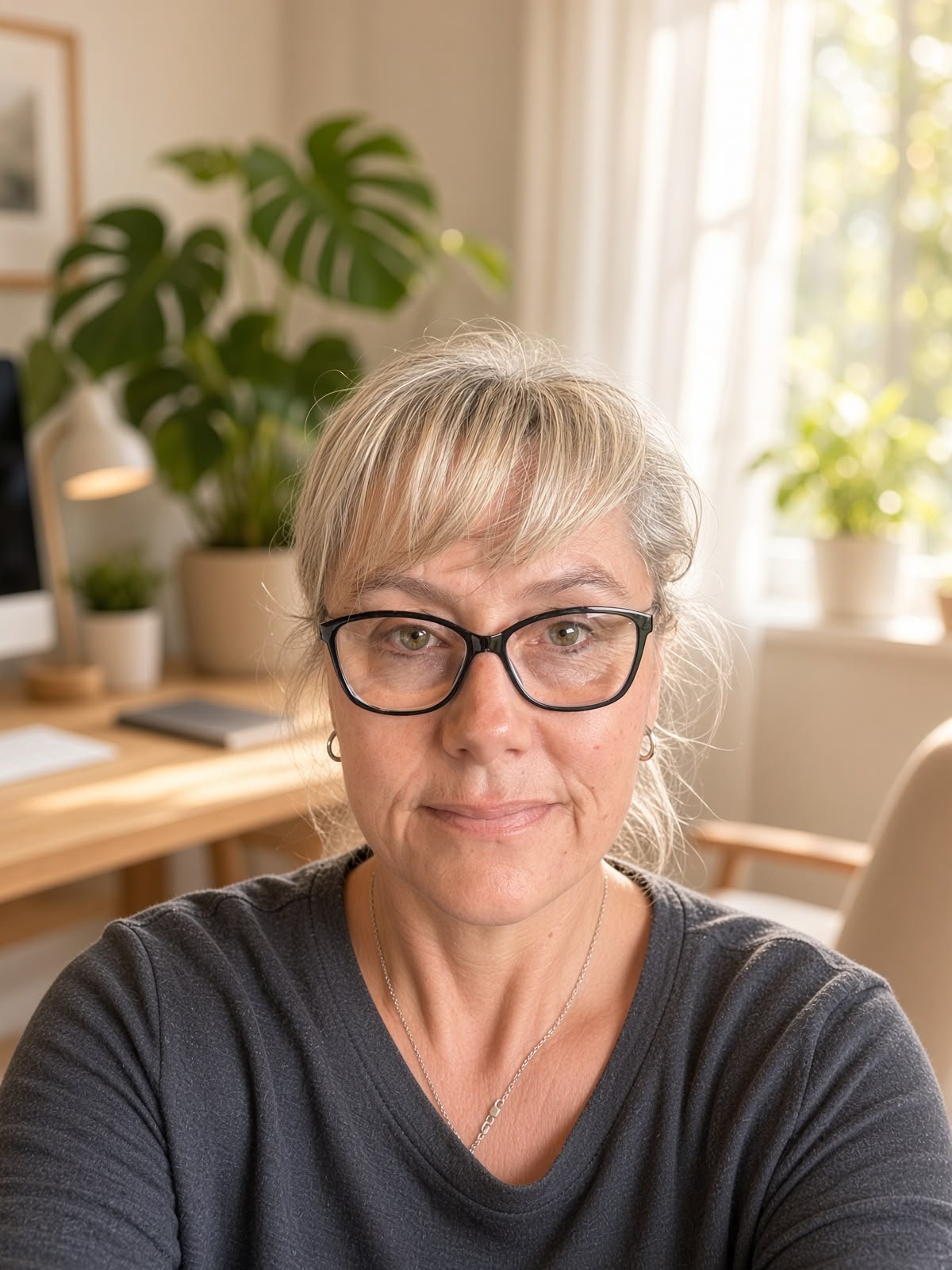
Hi, I’m Helen. I live with chronic illness and chronic fatigue, and I share the systems that help me get through the hard days. Read my story.